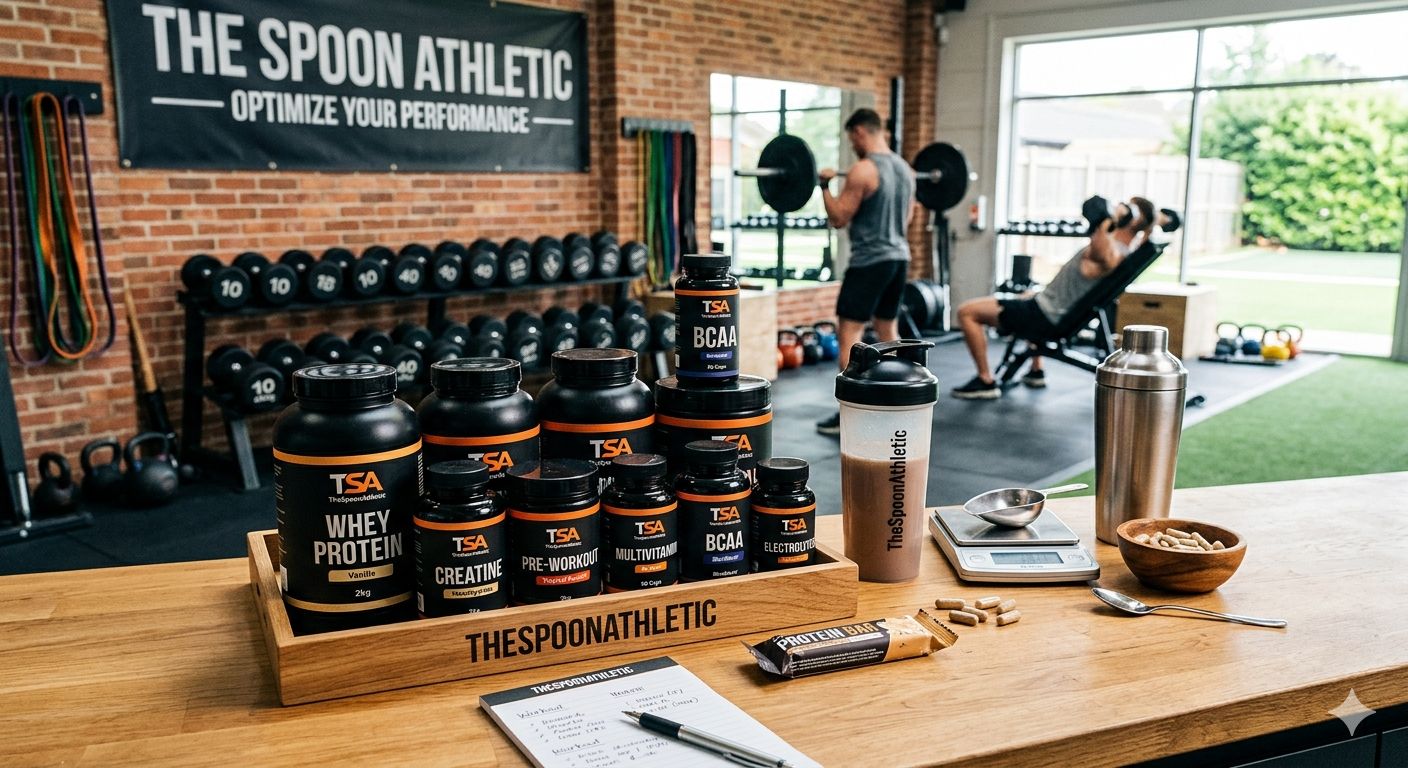
In today’s fast-paced world, the pursuit of fitness and athletic excellence requires a blend of science, discipline, and motivation. Athletes, whether teenagers stepping into competitive sports or seasoned endurance enthusiasts, are constantly seeking practical advice to optimize their performance, reduce injury risks, and achieve long-term goals. The advice provided by fitness experts and athletic content creators has evolved significantly in recent years, catering to various age groups, disciplines, and performance levels. This guide focuses on tailored recommendations for thespoonathletic, summarizing the most effective strategies that align with contemporary research and best practices in sports performance and fitness.
Understanding the Foundations of Athletic Performance
The first step in optimizing athletic performance is understanding the foundational principles of training, nutrition, and recovery. For athletes of all levels, establishing a solid base is critical. Training should balance intensity and volume to improve strength, endurance, flexibility, and agility without causing burnout. Experts emphasize the importance of periodization—a structured approach to cycling training intensity and volume—to prevent overtraining and maximize results.
Proper nutrition plays an equally vital role. Athletes require a diet rich in high-quality proteins for muscle repair, carbohydrates for energy, and healthy fats for hormonal balance. Hydration is often overlooked but is crucial for maintaining performance, particularly during high-intensity training or endurance events. Recovery, including adequate sleep, active rest, and techniques such as foam rolling or stretching, ensures the body adapts to the training stimulus and reduces the risk of injury. Applying this foundational knowledge is key for advice thespoonathletic followers looking to establish a sustainable and effective athletic routine.
Strength Training: Building Power and Stability
Strength training is an essential component of athletic development. It not only enhances muscle strength and power but also contributes to better joint stability and injury prevention. According to fitness experts, athletes should focus on compound movements like squats, deadlifts, bench presses, and pull-ups, which engage multiple muscle groups simultaneously. These exercises improve functional strength, critical for both team sports and endurance activities.
For teenage athletes, proper technique is paramount to avoid growth plate injuries and long-term complications. Coaches often recommend starting with bodyweight exercises and gradually incorporating resistance training. Meanwhile, endurance athletes can benefit from incorporating strength sessions two to three times per week to improve running economy, cycling efficiency, and overall muscular resilience. For thespoonathletic, integrating strength training with sport-specific exercises ensures well-rounded development, preparing athletes for the diverse demands of their chosen disciplines.
Endurance Training: Strategies for Long-Lasting Performance
Endurance training focuses on enhancing cardiovascular efficiency, muscular endurance, and mental resilience. Experts in running, cycling, and swimming highlight the value of structured workouts, including long steady-state sessions, interval training, and tempo runs. These approaches improve aerobic capacity, lactate threshold, and overall stamina, enabling athletes to maintain performance over extended periods.
Monitoring intensity is critical to prevent overtraining. Using tools such as heart rate zones or perceived exertion scales allows athletes to optimize workouts without overloading the body. Recovery days and low-intensity sessions are equally essential to ensure adaptation and minimize fatigue. For young athletes, endurance training should be progressively scaled, emphasizing proper technique, pacing, and breathing patterns. By following expert guidance, followers of advice thespoonathletic can build endurance effectively while safeguarding their health and long-term performance potential.
Nutrition for Peak Performance
Fueling the body correctly is one of the most influential factors in athletic success. Nutrition experts stress that a well-balanced diet tailored to the athlete’s training load can enhance energy, recovery, and performance. Protein intake is essential for muscle repair and growth, with sources including lean meats, fish, dairy, and plant-based options like beans and lentils. Carbohydrates, particularly complex carbohydrates, provide sustained energy, while healthy fats support hormonal function and reduce inflammation.
Hydration strategies should not be underestimated. Electrolyte replenishment is crucial during prolonged exercise, especially in hot conditions, to prevent dehydration, cramps, and reduced performance. Nutrient timing is another critical factor—consuming carbohydrates and protein before and after workouts aids in energy availability and muscle recovery. For teenage athletes, balanced meals and snacks that support growth and activity are vital. Followers of advice thespoonathletic can use these nutrition strategies to optimize both training outcomes and overall health.
Mental Resilience and Focus
Athletic performance is not just physical; mental resilience plays a crucial role in success. Sports psychologists emphasize techniques such as visualization, goal setting, and mindfulness to enhance focus, reduce performance anxiety, and maintain motivation. Visualization allows athletes to mentally rehearse their performance, which can improve skill execution and confidence. Setting achievable short-term and long-term goals provides structure and measurable progress, reinforcing positive behavior and discipline.
Mindfulness and stress-management techniques help athletes manage pressure, maintain focus during competition, and enhance recovery. Teen athletes, in particular, benefit from guidance in developing mental toughness alongside physical skills. Incorporating mental training into regular routines ensures a holistic approach to performance. For those following advice thespoonathletic, prioritizing mental health and resilience is as important as physical training in achieving sustained success.
Injury Prevention and Recovery Techniques
Injury prevention is a cornerstone of effective athletic programming. Experts recommend a combination of proper warm-ups, mobility work, and sport-specific conditioning to reduce the risk of acute and overuse injuries. Dynamic stretching before workouts and competitions prepares the muscles and joints for activity, while static stretching post-exercise enhances flexibility and recovery.
Strengthening stabilizing muscles and incorporating exercises targeting balance and proprioception can prevent common injuries such as sprains, strains, and tendonitis. Recovery strategies like rest days, adequate sleep, massage therapy, and techniques such as foam rolling or cryotherapy facilitate tissue repair and reduce inflammation. Awareness of early signs of overuse injuries, such as persistent soreness or joint pain, is essential to avoid long-term damage. Athletes following advice thespoonathletic can adopt these injury prevention measures to maintain consistent training and prolong their athletic careers.
Adapting Training for Teenage Athletes
Training teenagers requires a nuanced approach. Experts highlight that adolescent athletes are undergoing rapid growth and hormonal changes, which influence strength, endurance, coordination, and injury susceptibility. Training programs should focus on skill development, proper technique, and general conditioning rather than heavy loads or high-volume training.
Encouraging participation in multiple sports promotes balanced muscular development, prevents burnout, and fosters a love for physical activity. Educating young athletes about nutrition, hydration, and rest builds lifelong habits that support performance and well-being. By emphasizing safety, gradual progression, and skill acquisition, teenage athletes following advice thespoonathletic can achieve athletic milestones without compromising growth or health.
Leveraging Technology and Data
Modern athletic training increasingly incorporates technology for performance monitoring and optimization. Wearable devices track metrics such as heart rate, sleep quality, distance covered, and recovery patterns, providing insights into training effectiveness. Video analysis tools allow coaches and athletes to examine technique, identify weaknesses, and implement corrective strategies.
Digital platforms also facilitate structured workout programming, progress tracking, and communication between coaches and athletes. These tools are particularly beneficial for endurance athletes and competitive teenagers, enabling individualized feedback and data-driven decision-making. Following advice thespoonathletic, integrating technology can enhance training precision, improve performance outcomes, and foster accountability in the athletic journey.
Expert Recommendations for Recovery and Lifestyle
Recovery extends beyond physical rest. Experts advise athletes to maintain a lifestyle that supports overall health, including regular sleep schedules, stress management, and social support. Sleep is particularly critical, as growth hormone release and tissue repair occur predominantly during deep sleep stages.
Incorporating active recovery, such as light swimming, yoga, or walking, maintains blood flow, reduces muscle stiffness, and aids in mental relaxation. Lifestyle habits such as avoiding excessive screen time before bed, maintaining balanced nutrition, and fostering positive social relationships contribute to resilience and long-term performance. Followers of advice thespoonathletic can apply these holistic recovery strategies to sustain high performance while enjoying the process of athletic growth.
Tailoring Training for Endurance Athletes
Endurance athletes face unique challenges requiring specialized approaches. Training must balance aerobic development, strength maintenance, and injury prevention. Incorporating periodized plans that vary intensity and volume ensures continual adaptation without fatigue accumulation.
Cross-training activities, such as swimming, cycling, or low-impact cardio, reduce repetitive stress on joints while maintaining cardiovascular conditioning. Nutrition strategies, including carbohydrate loading and electrolyte balance, support prolonged efforts. Mental strategies, including pacing, visualization, and focus exercises, prepare athletes for the psychological demands of endurance events. By following these expert-endorsed practices, those engaging with advice thespoonathletic can optimize endurance performance safely and effectively.
Final Thoughts: Integrating Knowledge for Success
Achieving athletic excellence is a multifaceted endeavor requiring attention to training, nutrition, recovery, mental resilience, and injury prevention. Experts consistently emphasize a balanced approach that prioritizes long-term development over short-term gains. For teenage athletes, skill acquisition, safety, and enjoyment are paramount, while endurance athletes benefit from data-driven, specialized programming to optimize performance and sustainability.
For followers of advice thespoonathletic, applying these strategies ensures that training is not only effective but also enjoyable and sustainable. Integrating these principles into daily routines fosters consistent improvement, reduces the risk of injury, and builds habits that support lifelong health and athletic performance. Athletes who commit to these practices often experience more than just physical improvement—they gain confidence, discipline, and a deeper understanding of their own capabilities. Whether one is aspiring to excel in competitive sports or simply seeking a structured approach to fitness, the expert advice highlighted in this guide provides a roadmap for achieving personal goals safely and effectively.
By focusing on holistic development, staying informed through expert advice, and maintaining consistent effort, athletes can unlock their full potential while enjoying the journey. The combination of proper training, nutrition, recovery, mental resilience, and technology use empowers athletes at every level. Implementing these strategies ensures that thespoonathletic enthusiasts can thrive, performing at their best while cultivating a sustainable and rewarding athletic lifestyle.